
news & articles
news & articles
Subscribe, and we will keep you up to date with the latest news, articles, and stories.
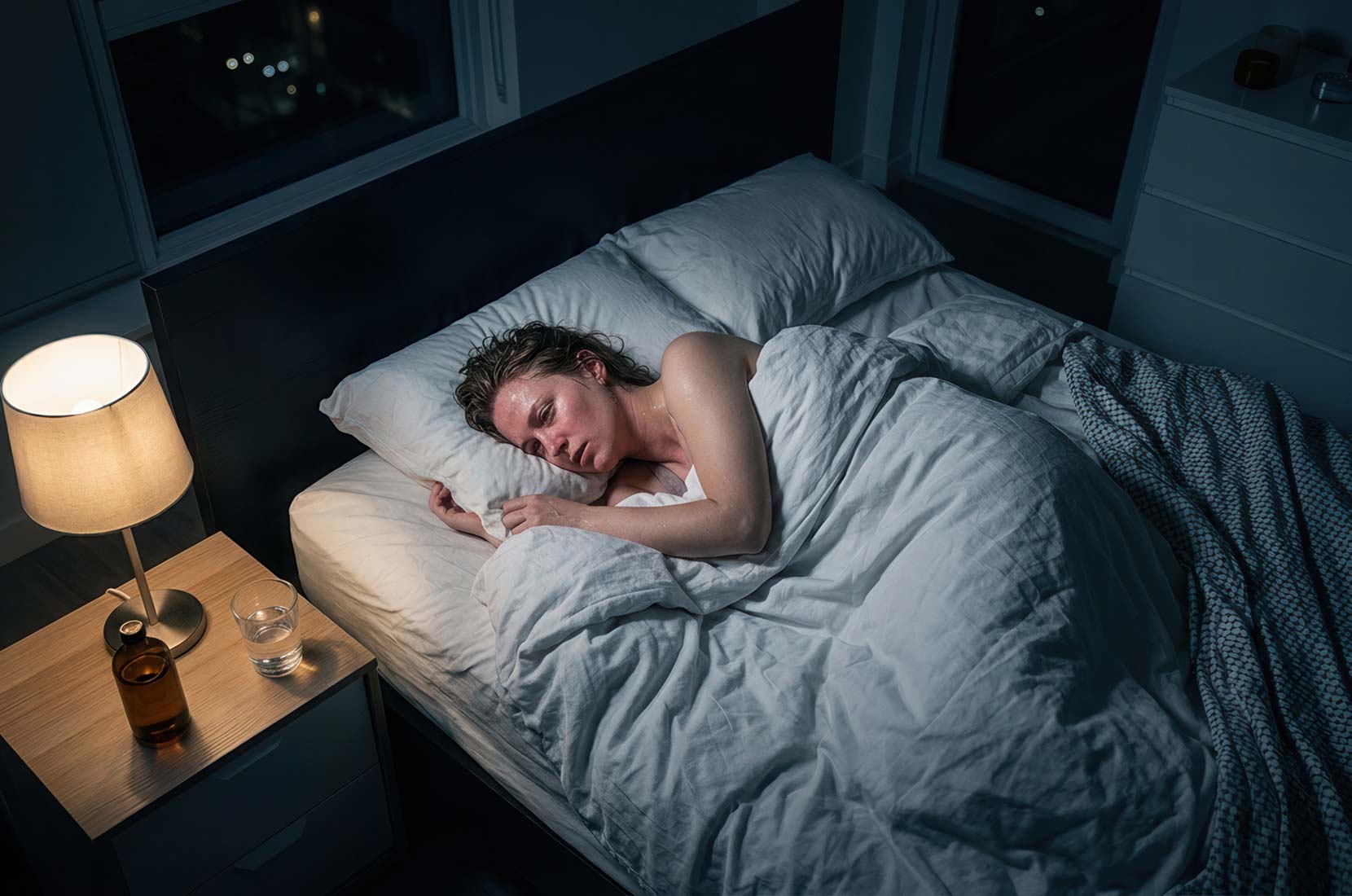
Waking up drenched in sweat and soaking the sheets? Hormonal night sweats are usually a sign of progesterone decline, and they are more fixable than most women realize.
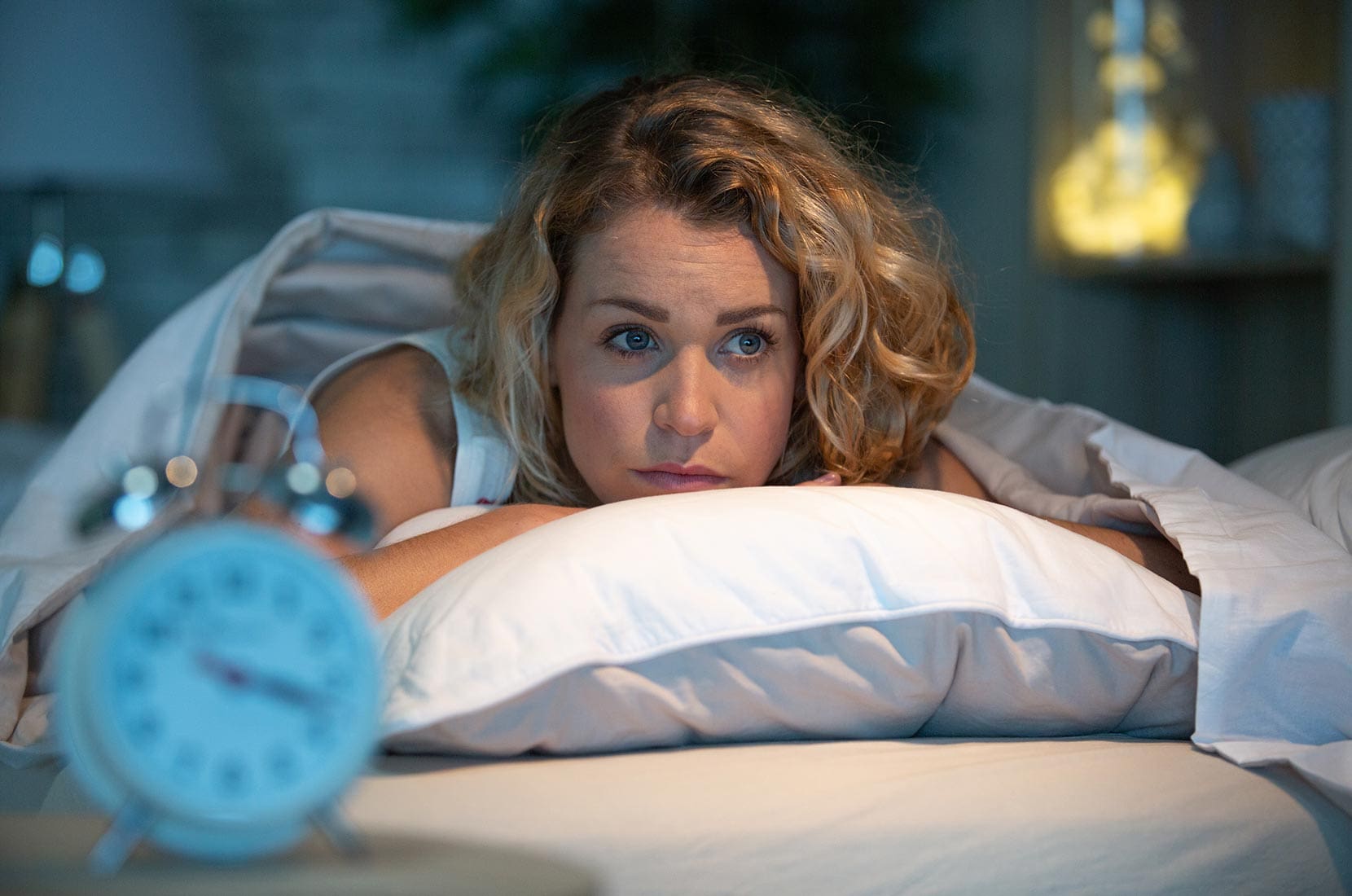
Waking up at 2 or 3 in the morning and can't get back to sleep? It may not be stress. Learn how progesterone decline drives insomnia in perimenopause and what can help.
If your TSH came back “normal” but you still feel exhausted and off, the test may not be showing the whole picture. Here's what a full thyroid panel looks at.

Perimenopause mood swings and brain fog aren't personality changes. They're signs of hormonal fluctuation. Learn what's happening and why it's often fixable.
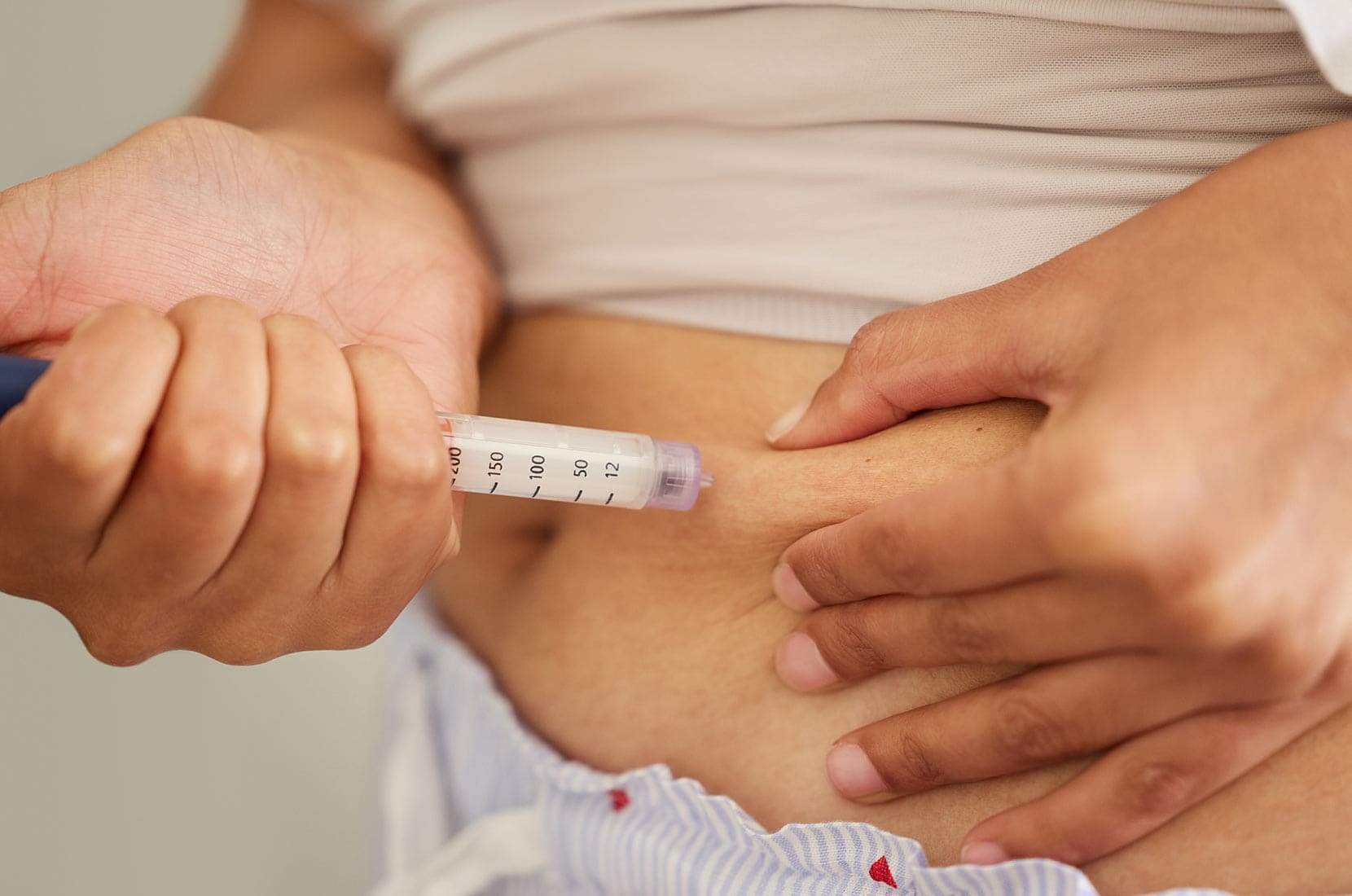
GLP-1 medications are getting a lot of attention. Here is what semaglutide and tirzepatide actually do in your body, and why the mechanism matters more than the headlines.
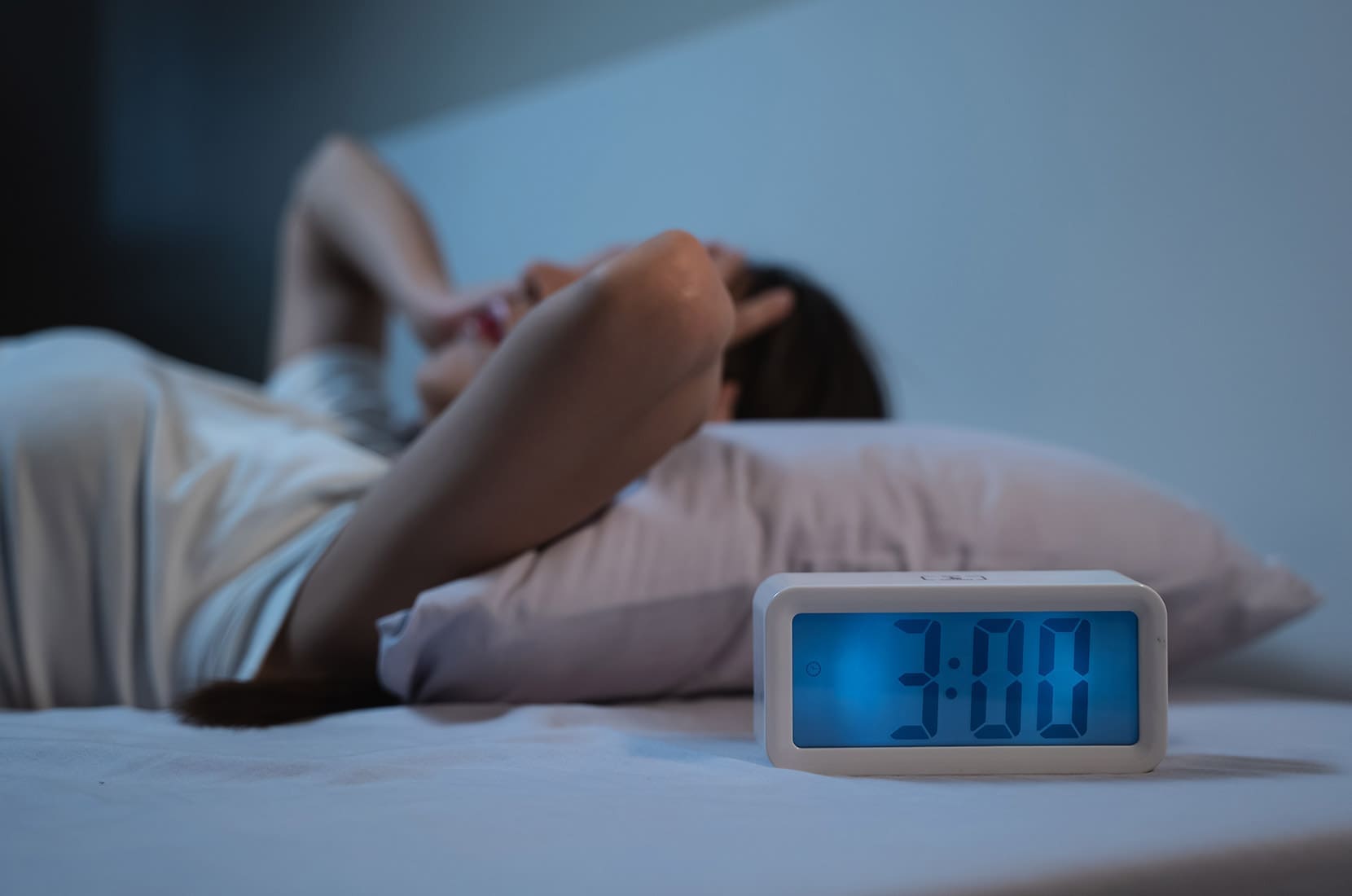
If you keep waking up at 2 or 3 in the morning and can’t get back to sleep, it may not be stress. Learn why progesterone decline is the likely cause and what can help.
Waking up drenched in sweat and soaking the sheets? Hormonal night sweats are usually a sign of progesterone decline, and they are more fixable than most women realize.
Waking up at 2 or 3 in the morning and can't get back to sleep? It may not be stress. Learn how progesterone decline drives insomnia in perimenopause and what can help.
If your TSH came back “normal” but you still feel exhausted and off, the test may not be showing the whole picture. Here's what a full thyroid panel looks at.
Perimenopause mood swings and brain fog aren't personality changes. They're signs of hormonal fluctuation. Learn what's happening and why it's often fixable.
GLP-1 medications are getting a lot of attention. Here is what semaglutide and tirzepatide actually do in your body, and why the mechanism matters more than the headlines.
If you keep waking up at 2 or 3 in the morning and can’t get back to sleep, it may not be stress. Learn why progesterone decline is the likely cause and what can help.
Subscribe, and we will keep you up to date with the latest news, articles, and stories.